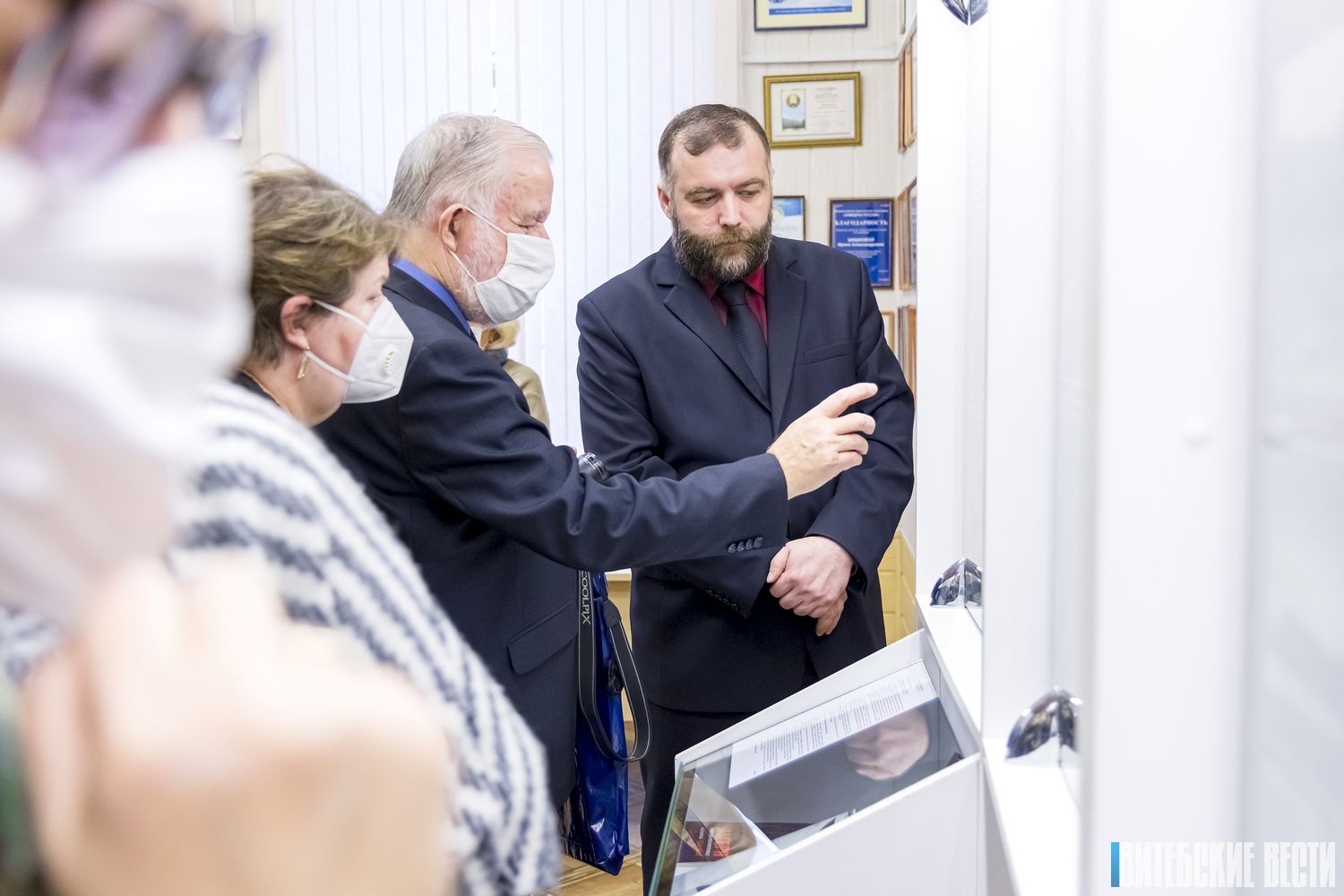
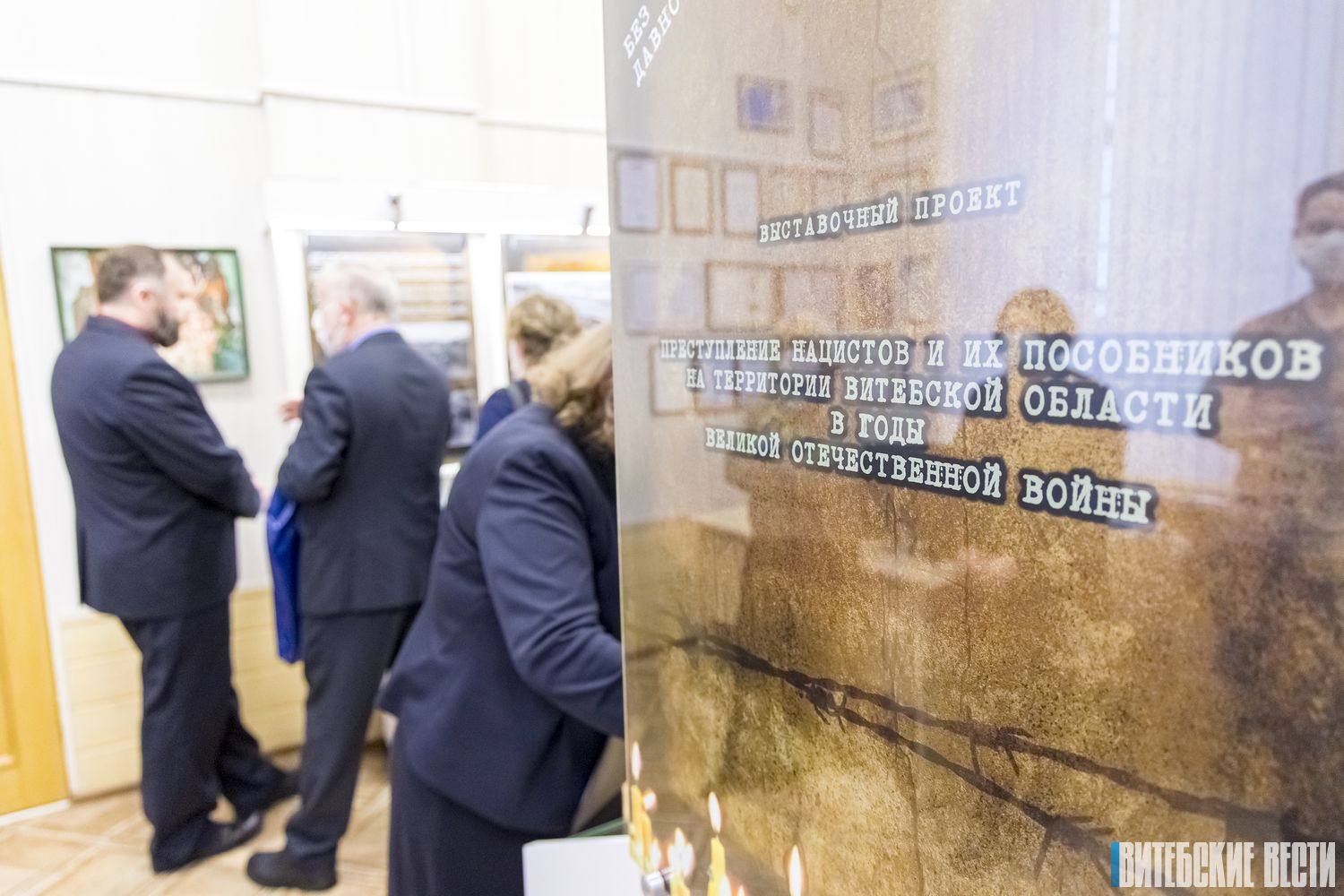
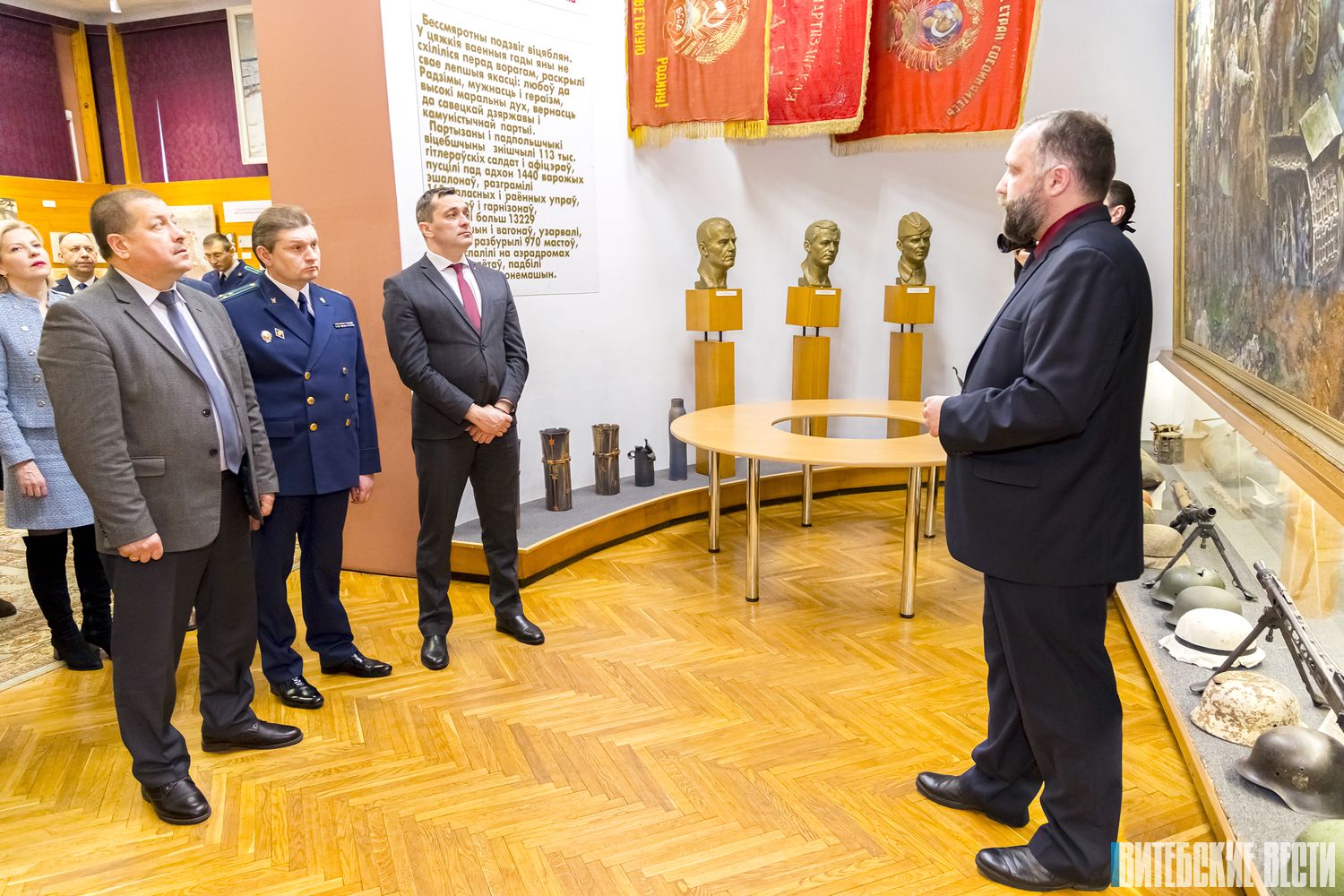
An exhibition on the crimes of the Nazis and their accomplices during the war opened in Vitebsk
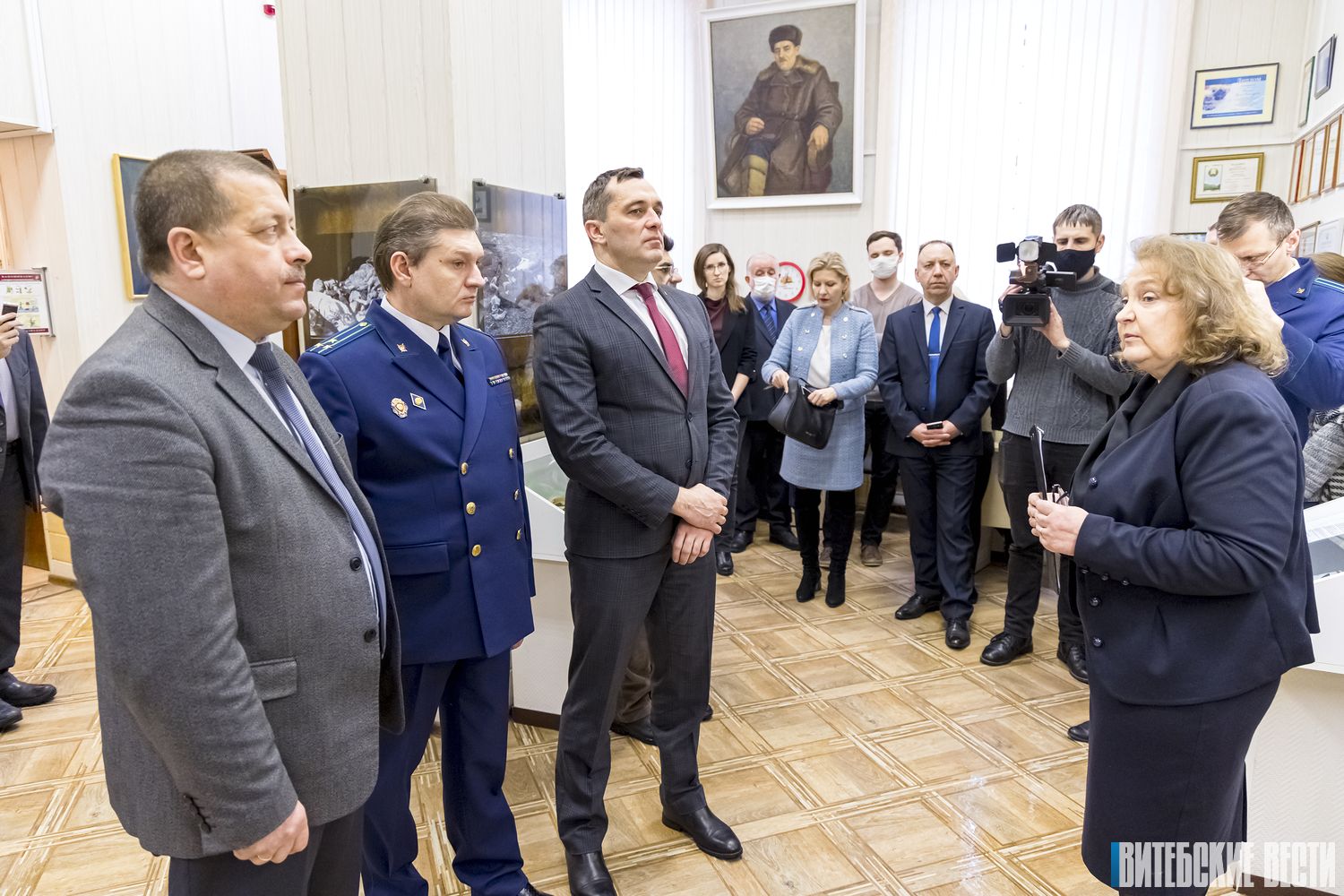
As emphasized by the Chairman of the Regional Executive Committee Alexander Subbotin, the Great Patriotic War is one of the most important pages in the history not only of our country but of all humanity. This page is washed with tears. It is important to know the truth about it so that such a thing never happens again.

- We have undeservedly begun to forget how much blood and tears were shed on this land, - said Alexander Subbotin. - This project is important not even for the dead, but for the living. A lump forms in your throat when you think about how many people were tortured and exterminated on the territory of the Vitebsk region. But every human life is priceless. In our country, there are probably no families that the war has bypassed. This grief affected some less, some more. It is necessary to know and explain to the younger generation what the dominance of one nationality, people, or group of people will lead to. Therefore, this is more than an exhibition. It is very important for the self-awareness of the residents of Belarus.


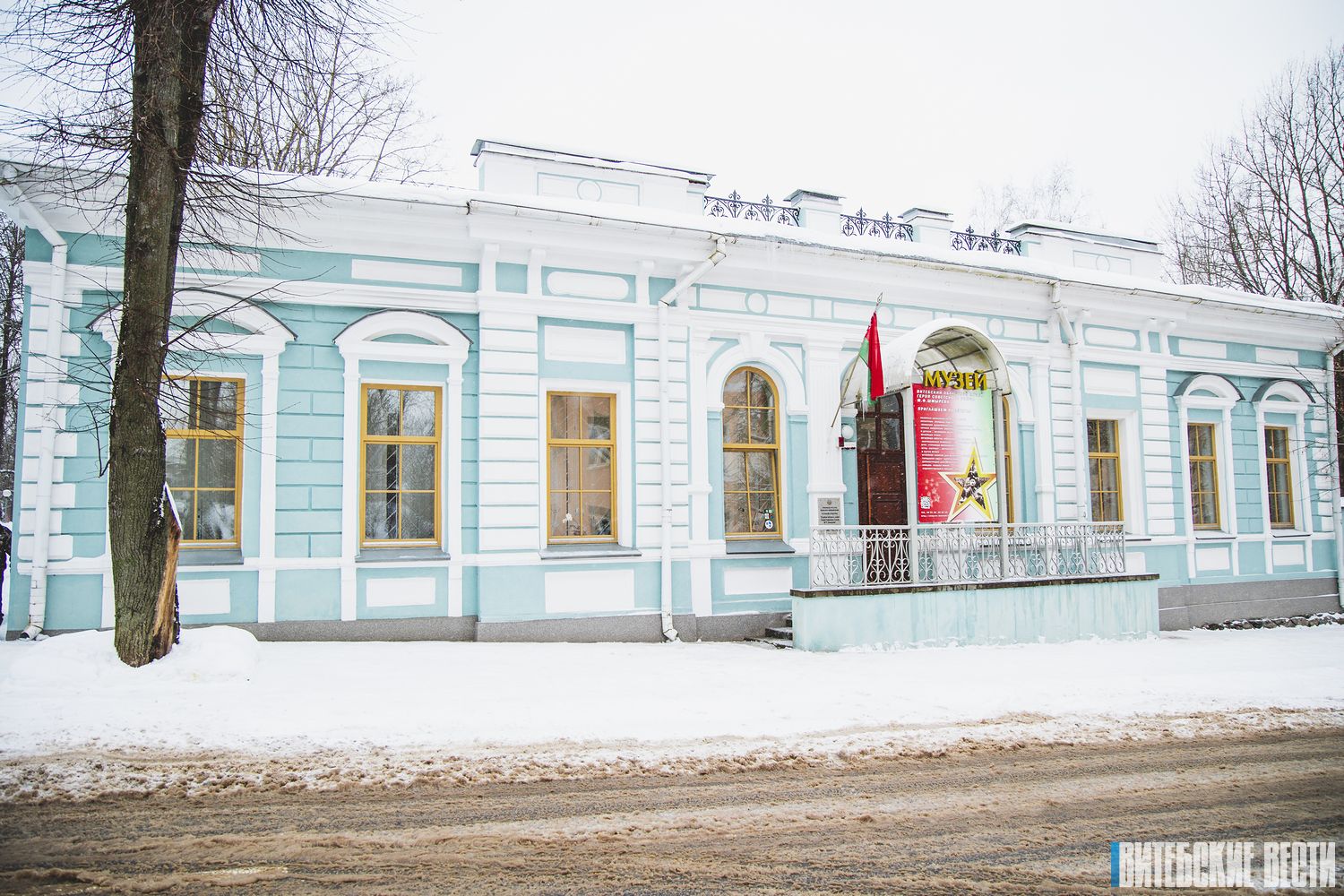
It is by no means by chance that this project was launched precisely in this museum. After all, the genocide also affected the fates of the members of Minay Shmyrev's family: in particular, his children and his own sister were exterminated by the Nazis.
Irina Shishkova, Director of the Vitebsk Regional Museum of Hero of the Soviet Union M.F. Shmyrev, cited some figures illustrating the scale of the tragedy in the Vitebsk region during the Great Patriotic War:

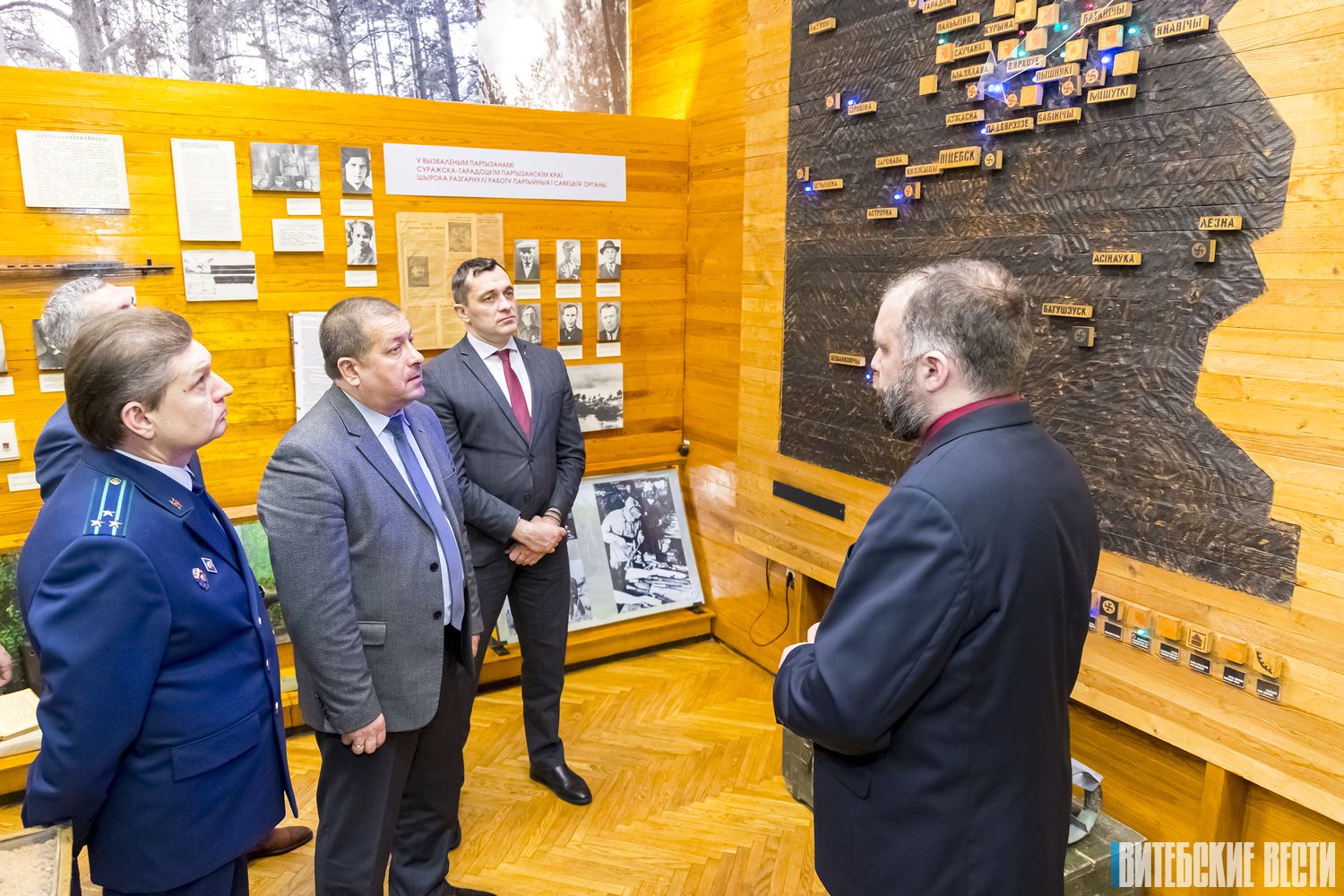
- Every third civilian died on the territory of the Pridvinye region, and every second civilian in Vitebsk. 71,000 prisoners of war were exterminated in concentration camps in the regional center, and 62,000 people were driven to Germany from Vitebsk. There are 1513 military burials and mass graves of war victims in the region, where more than 505,000 fallen soldiers rest, 50% of whom are known. In turn, Igor Ukrainets, Prosecutor of the Vitebsk Region, spoke about the progress of the criminal case on the genocide of the population of Belarus during the Great Patriotic War, being investigated by the Prosecutor General's Office: - Prosecutors of the Vitebsk Region alone have interviewed over 2,600 living witnesses of those terrible events, conducted over 600 site inspections, identified more than 100 previously unknown mass burial sites of citizens killed by the Nazis and their accomplices during the war, and studied tens of thousands of pages of archival documents. An interactive map of burned villages has been developed; incidentally, there are over 3,000 of them in the Vitebsk region.


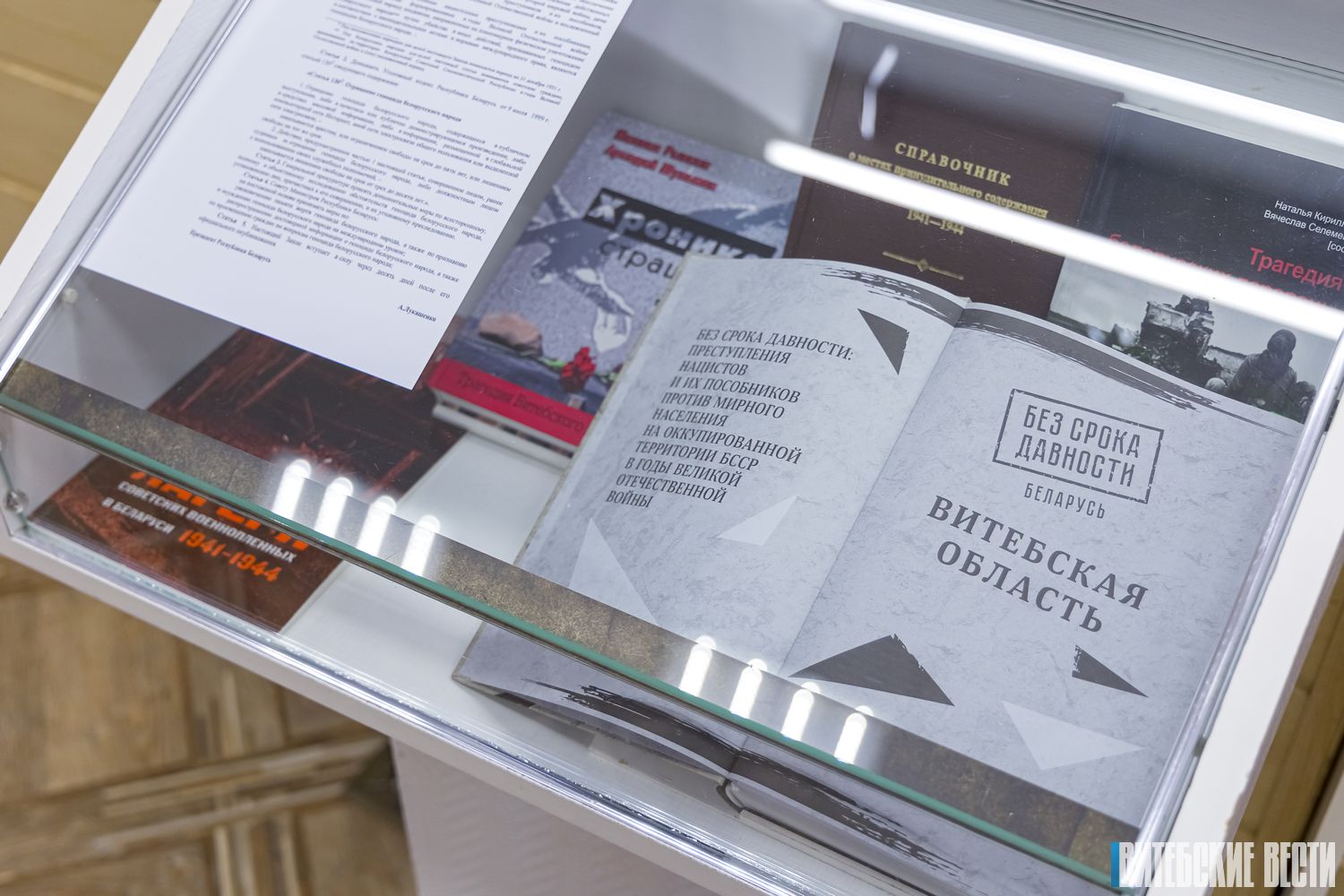
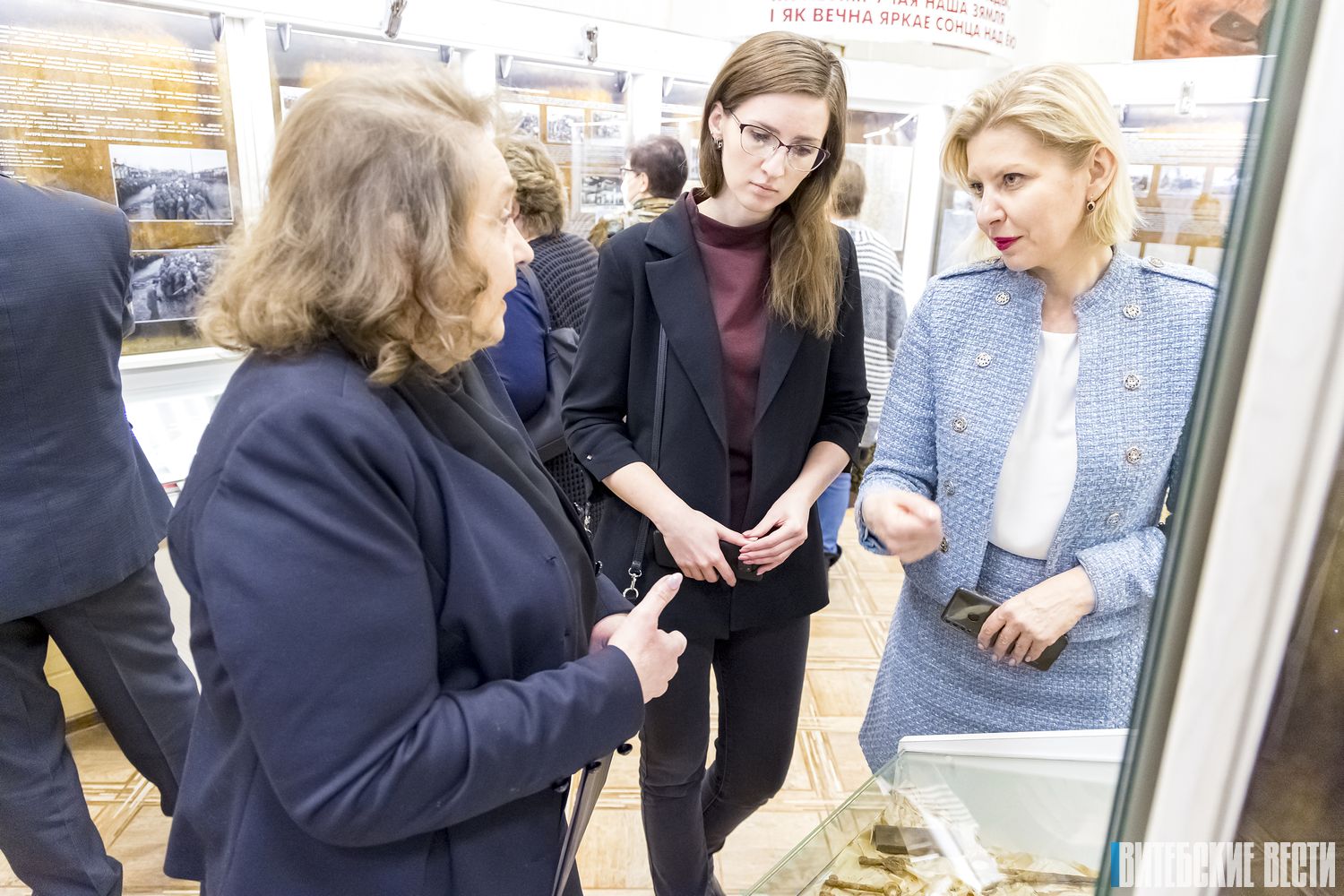
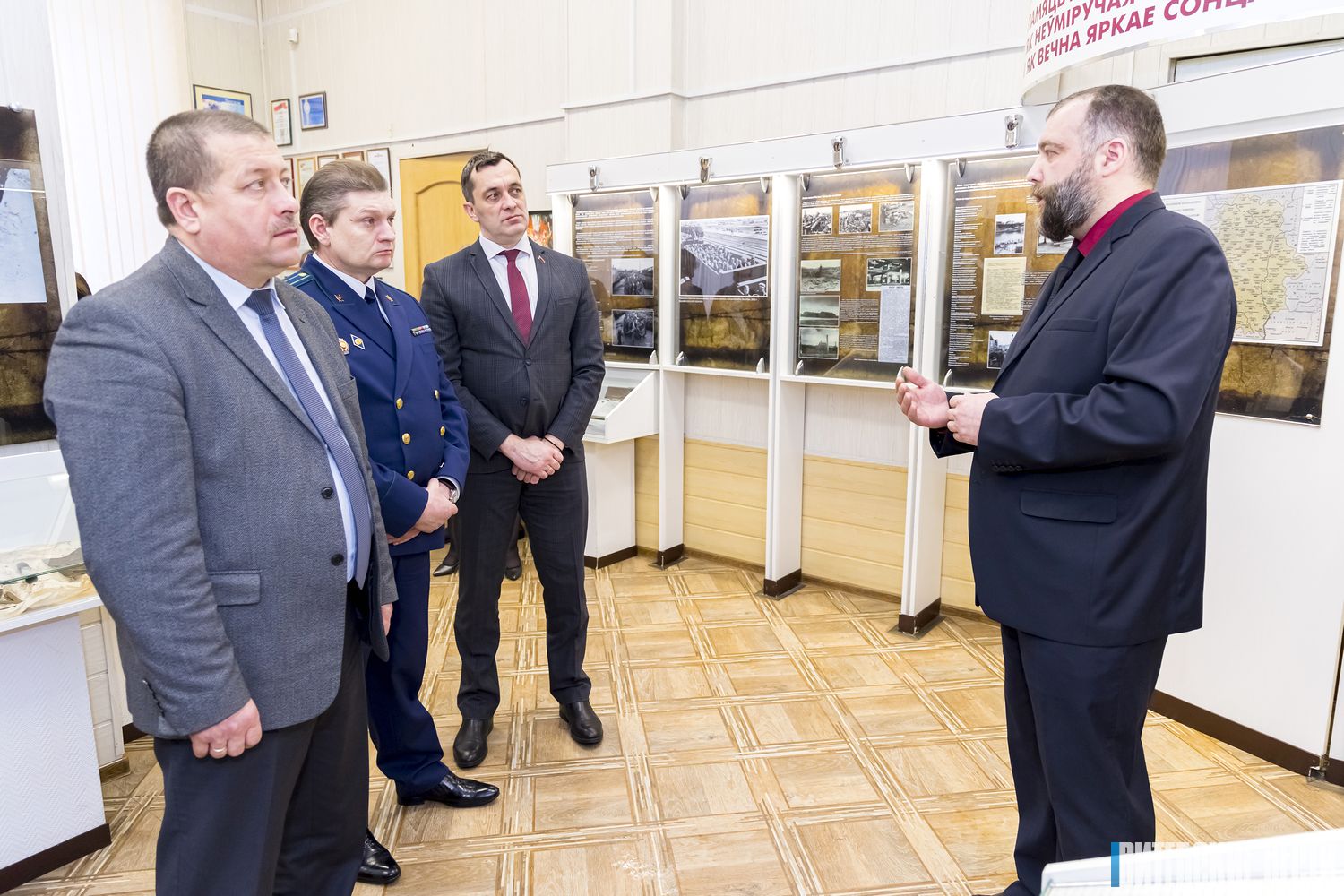
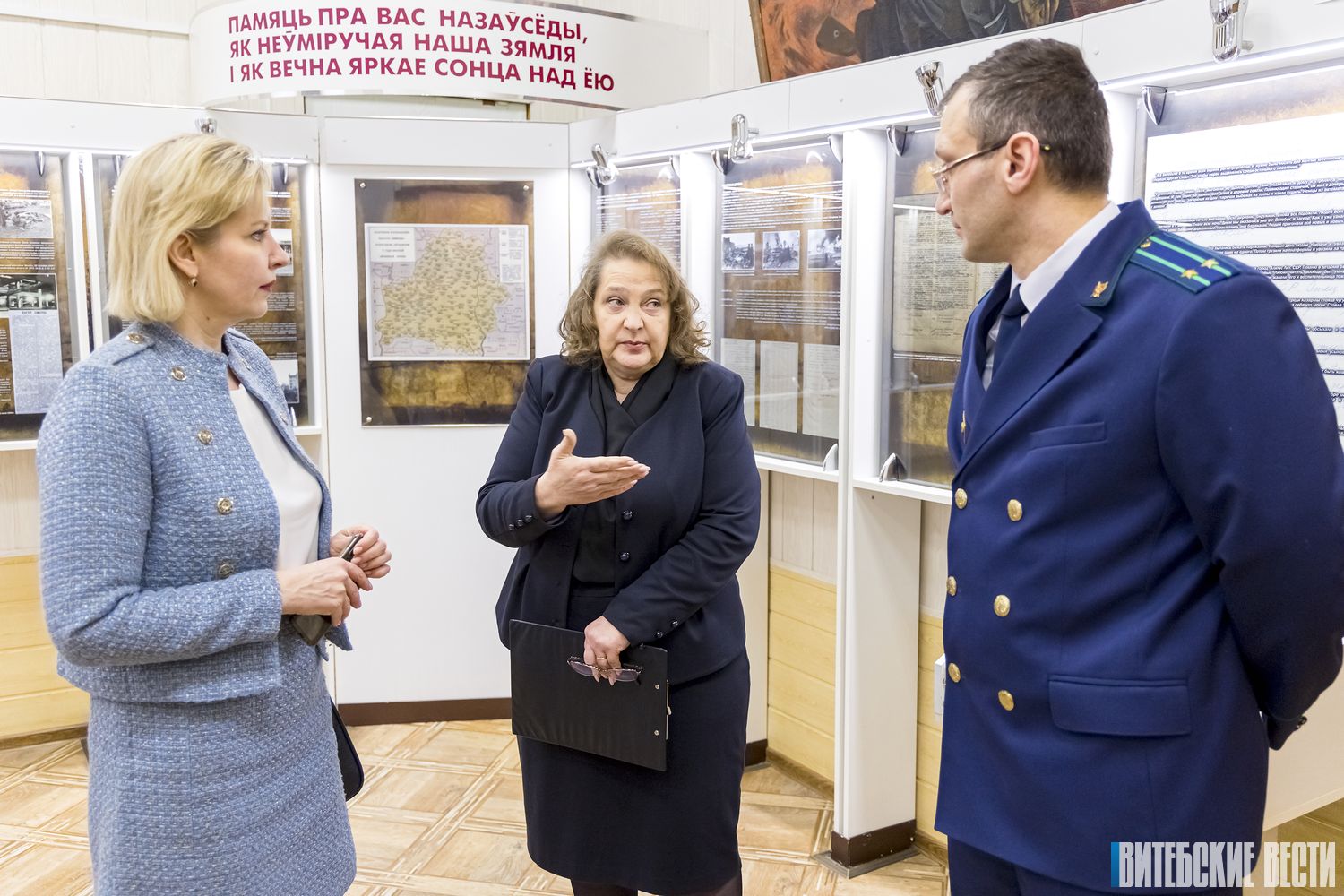
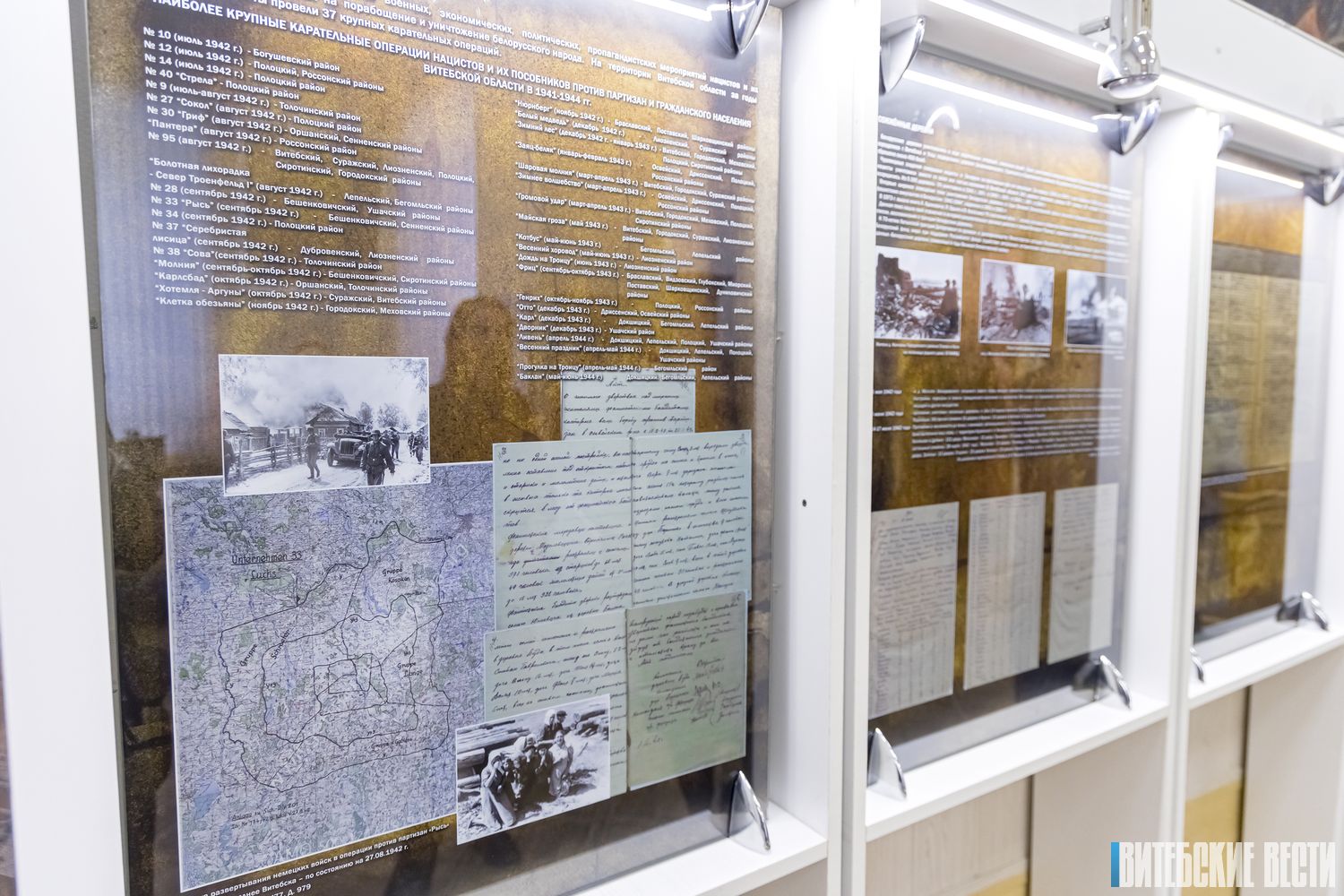
As one becomes acquainted with the exhibition's exhibits, one can feel the pain of the tragedy. The stands, using photographs and historical documents, show the main forms of genocide used by the Nazis and their accomplices in the Vitebsk region. These include ghettos, death camps, and labor camps (where unbearable living conditions were created for prisoners of war)... Documents from partisan formations are of interest. After each punitive operation, partisans compiled acts on the crimes of the Nazis. These documents, confirming the facts of atrocities, reveal the horrors perpetrated by the executioners on the territory of the region. The names of the murdered and the names of destroyed settlements are listed.



One stand displays items belonging to people who were shot in the village of Surazh. It is impossible to look at these combs, razors, door keys, and other artifacts without a shudder. One involuntarily wonders: what did these people feel as they were forced to leave their homes, did they suspect that death awaited them?
Meanwhile, soon the pain of the tragedy of the Soviet people during the Great Patriotic War can be felt in other regions of the Vitebsk region as well. As reported by Irina Shishkova, the exhibition is planned to become mobile starting in June. It is expected to make stops in each region of the oblast for 2-4 weeks.